
Suicidal Ideation Counselling
What Is Suicidal Ideation?
Suicidal ideation denotes reflections on death or a wish to end emotional anguish as opposed to wishing to die. These thoughts may be either short lived or long lasting and in most cases they come out during times of extreme stress, loss, depression or anxiety. They are experienced by many individuals at some point but they hide them due to fear or stigma. Suicidal ideation is a signal of mental health and not a failure or weakness. It means that a person is devastated and requires understanding, awareness and support in time. Being aware, caring, and giving proper assistance, distress can be diminished and hope can be restored in numerous individuals on the planet.
- Some of the common features are the same recurrent thoughts, emotional burnout, hopelessness, and the inability to perceive solutions to the desperate situations in life without any obvious intention to do so.
- Anybody can be influenced irrespective of their age, sex, prosperity, or background particularly where support systems are perceived to be low or absent at that time.
- Such feelings do not preclude the risk of suicide but they are indicative of emotional suffering that should be addressed and treated with empathy as soon as possible.
- Some of the helpful responses that one can apply are listening without passing judgment, encouraging the conversation, reducing stigma, and linking people to professional mental health support services available.
- Through awareness and education individuals and communities can help in becoming aware of distress at early stages and help recovery and create hope with care, empathy, understanding.
Book your counselling appointment today for supportive, understanding emotional care anytime
Who Can Experience Suicidal Ideation?
Suicidal thinking can occur to any person of any age, gender, background, education, or success. It is not restricted to certain group of individuals.
Individuals who can be at risk of suicidal ideation are:
- Adolescents with school stress, peer persecution or identity crisis.
- Adults who have relationship problems or job stresses or financial problems.
- Older people who are lonely, sick or bereaved.
- Individuals who are mentally ill like those with depression or anxiety.
- Individuals that seem tough, effective, or resilient on the surface.
An individual should come to know that not all those who have suicidal thoughts end up in suicide. There are several individuals who stay with the thought and do not take any action as a result.
How Does Suicidal Ideation Develop?
Suicidal ideation does not tend to manifest itself abruptly. It is also usually a progressive one because of emotional, psychological and life related factors.
Some of the common contributing factors are:
-
Emotional Overload
In cases where an individual is overwhelmed over a long period, the mind might begin seeking an escape. When emotional pain feels too much, the thoughts of suicide may arise. -
Depression and Anxiety
The state of mental health may pervert the minds to believe that the issues are irreversible and unending. This may bring about hopelessness. -
Traumatic Experiences
Abuse, loss, neglect or significant changes in life can have profound emotional impacts. -
Feeling Trapped or Hopeless
Suicidal thoughts can be the only way out when an individual feels that there is no solution to his or her problems. -
Lack of Support
Feeling unheard, unseen or alone is a risk in emotion. Man requires affiliation to survive.
Types of Suicidal Ideation
Suicidal ideation does not suit all. Psychologists tend to identify the following types:

Passive Suicidal Ideation
This involves thoughts like:
- “I wish I could disappear”
- I would be glad to not be here in life.
No action is intended, but emotional exhaustion is seen in the thoughts.
Active Suicidal Ideation
This involves the consideration to commit suicide, but not necessarily does so. It could be that the individual considers it but they are not willing to act on it.


Chronic Suicidal Ideation
Certain individuals may go through suicidal ideation in long durations, in spite of being in normal life.
Situational Suicidal Ideation
These are thoughts that occur in a particular situation in life like the breaking up, failure in an exam or loss and at times decrease in the state as the situation gets better.
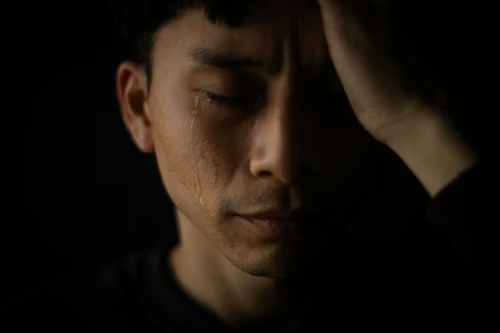
People Who Have Suicidal Ideation but Do Not Want to Die
Most individuals are scared of the fact that suicidal ideation necessarily indicates that people want to die. This is not true.
Some people:
- Do not want to die
- Do not intend to destroy themselves.
- Are afraid of death
- Continues to have suicidal thoughts.
In such situations, suicidal ideation is an indication of a state of mental and emotional overload, rather than a desire to die. The mind interprets these thoughts as an indicator that there is something profoundly bad and has to be addressed.
This is a way to understand and minimize stigma and make people seek help without fear.
Signs Someone May Be Experiencing Suicidal Ideation
They are not all the individuals who will be free to discuss their thoughts. Some common signs include:
- Constant depression or bipolarity.
- Lack of interest in everyday life.
- Showing despair, uselessness.
- Sudden mood changes
- Discussion on the feeling of being a burden.
Such signs are not always a symptom of suicidal ideation, but it means that a person requires support.
How to Overcome Suicidal Ideation
Recovery is possible. The ideation of suicide can be controlled and minimized with the appropriate support and plans.
Talk to Someone You Trust
By expressing ideas, they make them weak. With the help of a friend whom one trusts, a family member, a teacher, or a counsellor, perspective and emotional relief can be attained.
Reach out to Psychological Services
The therapists, psychologists, and counsellors are given training to make people aware of how to safely and effectively handle suicidal ideation.
Learn to Identify Triggers
Learning what circumstances or ideas exacerbate distress enables individuals to be better prepared to respond in a more healthy way.
Develop Coping Skills
Some of the healthy coping behaviours are:
- Writing thoughts down
- Grounding exercises and deep breathing.
- Physical activity
- Creative expression
Create Emotional Support Systems
Connection is protective. This sense of being supported makes the person less isolated and hopeless.
Practice Self-Compassion
Thinking about suicide is no failure. Treating oneself well even in difficult situations is an important process of healing.
Difference Between Suicidal Ideation and Feeling Sad
Feeling Sad or Stressed
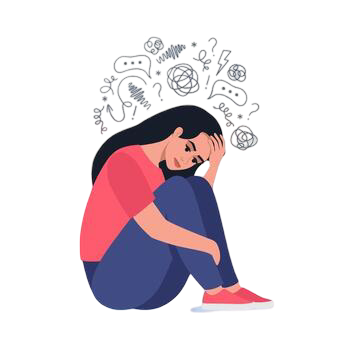
- Common emotional response to life events
- Usually temporary and situation-based
- Improves with rest, support or time
- Still able to imagine hope or solutions
- Emotions feel manageable
- Daily functioning mostly continues
- Sadness comes and goes
Suicidal Ideation
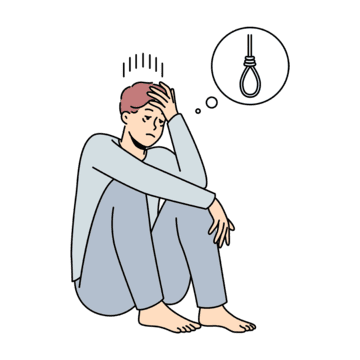
- On-going emotional distress that feels overwhelming
- Lasts longer and may return repeatedly
- Often persists even when situations change
- Difficulty seeing hope or a way forward
- Emotions feel heavy and unmanageable
- Daily life may feel exhausting or unbearable
- Thoughts may repeatedly resurface under stress
Understanding Suicidal Ideation and Why Support Matters
Suicidal Ideation Counselling assists suicide seekers in situations where they have frequent thoughts of not wishing to live or people who have a sense of being overwhelmed. These thoughts may be silent, abrupt, or present when one is in a state of stress, depression or whenever one is confused. Suicidal ideation does not imply that a person wishes to die, it is usually a deep wish that emotional pain is to be over and in most cases, the absence of clarity as to coping mechanisms.
The main details regarding the Suicidal Ideation Counselling:
- Helps deal with disturbing thoughts in a safe and nonchalant manner.
- Not afraid of or punished, but cares about their feelings.
- Helps provide short-term and lasting healing.
- Promotes free communication and emotional integrity.
- Grows to trust and self-knowledge.
- Minimizes isolation and loneliness.
- Enhances the coping and emotional controlling skills.
The suicidal thoughts of many people are lonely and misunderstood and they might be reluctant to communicate openly. Counselling offers secure and confidential environment where one can express their emotions without judgment. Through appropriate counselling assistance, individuals will be in a better position to cognize their thoughts, alleviate emotional distress and slowly regain hope, balance and sense of purpose.
Suicidal Ideation Counselling is founded on empathy and understanding as opposed to labelling and blame. The effect of the initial counselling support can be significant and beneficial on the emotional level and sustainable well-being.
What Is Suicidal Ideation Counselling?
Suicidal Ideation Counselling is a specialised counselling to assist individuals who have persistent or recurrent thoughts on life as being unbearable. It may occur in the form of these thoughts when someone is in a state of depression, anxiety, trauma, burnout, grief or undergoing significant changes in his life.
The counselling process is aimed at the identification of the causes of these thoughts, the influence of thoughts on everyday life and unmet emotional needs. Instead of making people positive, counselling allows them to carefully examine their emotions and seek less harmful methods to survive.
This type of counselling is directed, systematic and sympathetic. It honours the tempo of each individual and his/her emotional limits.
Common Emotional Experiences Linked to Suicidal Ideation
People who think about suicide go through inner turmoil which they cannot show because they want to look normal to others. The way people experience these situations shows different results for each individual.
Common emotional patterns may include:
- Feeling emotionally numb/disconnected
- Consistently feeling hopeless and/or helpless
- Feeling overly self-critical and/or guilty
- Feeling like you're a burden on others
- Having difficulty visualizing any sort of positive future
- Experiencing feeling emotionally drained and/or overwhelmed
The process of recognizing these emotional signs should start at an early stage because it enables people to pursue counselling before their distress escalates.
Types of Suicidal Ideation Addressed in Counselling
A person may experience suicidal thoughts in several ways and therefore the counselling provided is tailored to them in the individual sense.
Counselling can assist those who are experiencing:
- Thoughts about non-existence
- Thoughts that recur when experiencing emotional distress
- Thoughts that relate to either depression or anxiety
- Emotional numbness from stress
- Emotional pain from trauma
All experiences will receive care, confidentiality and support.
Myths About Suicidal Ideation Counselling
A lot of individuals are reluctant to go for Suicidal Ideation Counselling due to several prevalent misconceptions and myths. Many individuals assume
that talking about suicidal ideation will make matters worse or that counselling is reserved for individuals who are weak.
Individuals often fear they will be judged or forced to do something they don't want to do and that their feelings won't be taken seriously and therefore don't count. Suicidal Ideation Counselling is designed to dispel these myths by providing a safe, humane and non-judgmental environment.
In reality, counselling aims to understand emotional suffering, support the individual's ability to make their own choices and empower people to manage their emotions in ways that create safety. All counselling is confidential, caring and directed toward the individual in emotional need to achieve healing.
Building Coping Skills Through Counselling
The main focus of Suicidal Ideation Counselling training exists to develop essential skills. The developed skills enable better emotional regulation through safe management practices.
Counselling may support:
- Emotional grounding techniques
- Stress-management strategies
- Negative thought patterns identification
- Self-talk improvement and self-compassion development
- Emotional resilience building through strength development
Therapeutic skills acquired during session training provide lifetime benefits to individuals.
Family and Support System Involvement
Some people find it useful to include other trusted individuals or their support systems in the counselling process. Counselling helps to facilitate this in a careful and respectful manner.
How support persons can help:
- Improve communication skills
- Set clear emotional boundaries
- Help reduce any misunderstandings or blame
- Provide a supportive environment
All of this is done with the consent and comfort of the individual receiving counselling.
Long-Term Benefits of Suicidal Ideation Counselling
The practice of Suicidal Ideation Counselling leads to substantial emotional progression for most people who maintain their commitment to the therapy. The process of counselling helps people develop better emotional control skills which enable them to better handle strong emotions while decreasing their experience of distressing thoughts. People who achieve better comprehension of themselves develop improved emotional management skills and greater self-assurance in their battle with emotional difficulties.
Counselling helps people build better coping mechanisms which enable them to handle stress in more positive ways. The process helps individuals discover new sources of hope which guide them toward achieving their life objectives. The process of healing takes time to complete while Suicidal Ideation Counselling delivers consistent support throughout all phases of recovery.
Who Can Benefit From Suicidal Ideation Counselling?
Suicidal Ideation Counselling can really help people who are dealing with feelings no matter how old they are or where they come from. It is there to support people from all walks of life and in situations. Suicidal Ideation Counselling is available for people who are going through times.
It may be helpful for:
- Individuals experiencing emotional overwhelm
- People dealing with depression or anxiety
- Those facing life transitions or losses
- Individuals feeling disconnected or hopeless
- Anyone seeking emotional clarity and support