
LGBTQ Counseling
Why Understanding LGBTQ+ Matters
The term LGBTQ is applied to describe a heterogeneous group of individuals whose sexual orientation or gender identity does not follow the norms. It consists of people who identify themselves as lesbian, gay, bisexual, transgender, queer, questioning and many more, symbolized by the plus sign. The term is used to develop a feeling of being considered and being appreciated by individuals who might have felt neglected or misinterpreted within the society.
Why is LGBTQ+ Awareness and Inclusion important?
- The people coming under LGBTQ+ umbrella has their own identity and expression diversity.
- Helps in the process of self-understanding.
- It encourages acceptance and social membership.
- Emotional well-being needs respect and acceptance.
- Consciousness prevents confusion and discrimination.
- Knowledge of LGBTQ+ creates empathy and compassion.
- Creative climates make people feel secure and appreciated.
- It promotes equality and respect of everyone.
LGBTQ+ people are normal people with actual feelings and real experiences. All people possess their own experience of self-awareness, and this experience is worth to be respected and accepted. The knowledge of the LGBTQ + serves to develop empathy and creates a more open society where all are appreciated and accepted.
Book your counseling appointment today for supportive, understanding emotional care anytime
Breaking Down the LGBTQ+ Term
The knowledge of each of the LGBTQ+ segments allows one to associate it with the meaning.
Lesbian
These are women who are emotionally or romantically inclined towards fellow women.

Gay
This is usually used to mean the attraction of men to men

Bisexual
Desire of more than one sex; Attracted to both men and women.

Transgender
Individuals whose gender does not match with that of gender at birth.

Queer
A compromise identity beyond traditional categories.

Questioning
People who are seeking their identity.
Plus (+)
It contains such identities as non-binary, intersex, asexual and others.
Identity and Self-Expression
LGBTQ+ is a way how people define themselves and identify themselves.
Personal identity can be time consuming to comprehend. There are individuals who are aware of their identity at an early stage whereas others might take years to explore and discover their identity. It does not have a specific timeframe and all experiences are good. One of the ways through which people demonstrate themselves to the world is self-expression, which is manifested by clothing, behaviour, and communication.
Being respectful to a person implies that one should accept him or her as he/she is but without prejudice or preconceptions. When individuals become comfortable to make themselves heard, they become confident and safe.
Understanding Gender and Attraction
There are two aspects of identity: gender and attraction, which are related to each other.
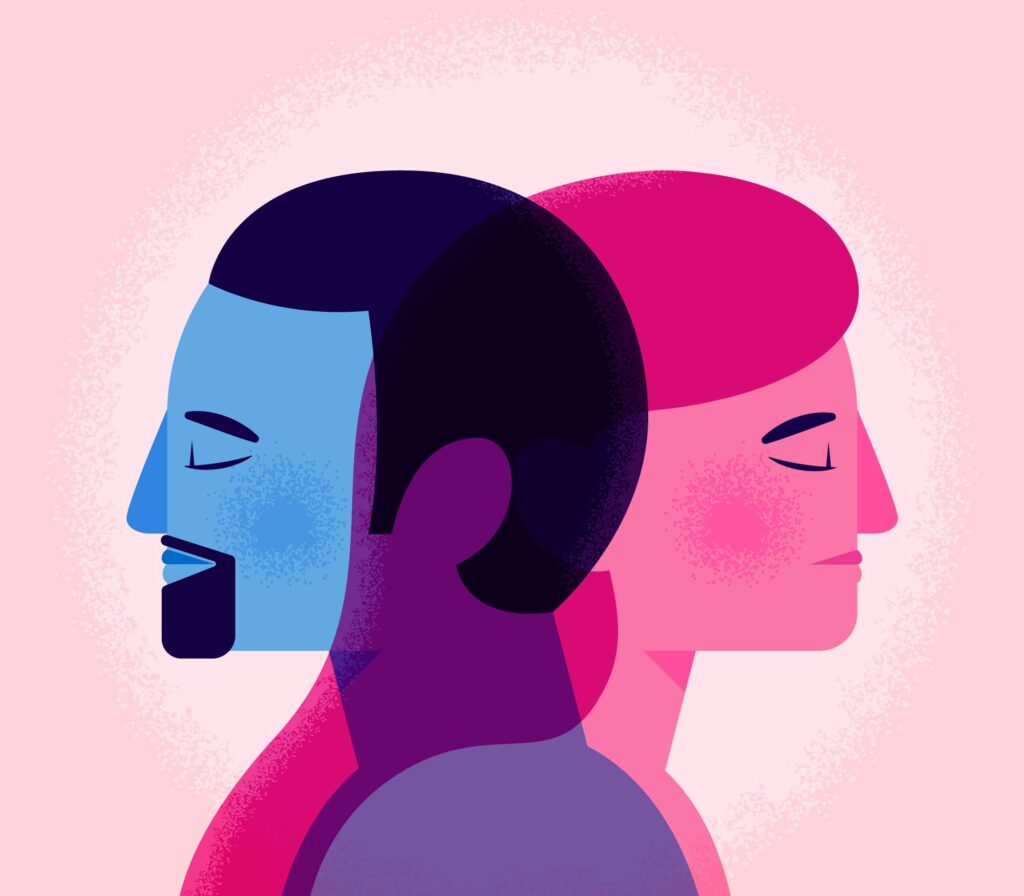
Gender Identity
It is the innate inner feeling of a person being male or female or both or neither. This identification could or could not be the same as the gender that was assigned at birth. It is an individual experience which influences the way people perceive themselves and want others to perceive them in their daily lives.
Sexual Orientation
This is defined as an attraction towards a specific group of people emotionally, romantically or physically. This may involve attraction of the same gender, opposite genders as well as multiple genders. It is an inherent component of identity and may increase or become more evident with time.
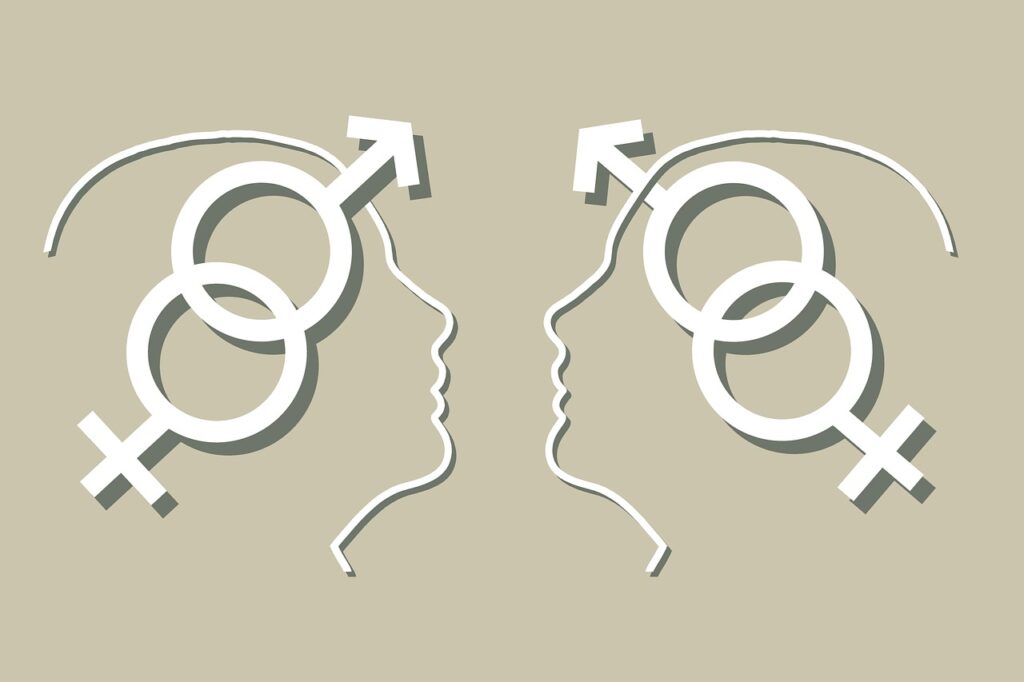

Gender Expression
The manner in which an individual expresses their gender through their looks, clothing, hairstyle, voice and behaviour. It is what other people think a person is of a certain gender, but it may not always translate to what the person is. The scope of expression varies and is dependent on culture, personality, and comfort.
Non-binary Identity
Refers to people who do not consider themselves either male or female. They can feel a combination of genders, no gender, or something other than that. The nature of non-binary identities shows that there are not only two genders.

Fluid Identity
This is a gender identity which can vary with time. An individual may experience a sense of belonging to one gender in other stages or occasions. This malleability is legitimate and mirrors the changing aspect of personal identity and self-conception.
Asexual Identity
An individual who feels little or no sexual interests towards other people. They can still develop strong feelings or affection. There is a continuum of asexuality and each experience may be unique and may have different degrees of attraction or interest.
Why Awareness is Important
The knowledge concerning LGBTQ+ sets a beneficial and supportive atmosphere on all people. Being aware of various identities allows people to eliminate fear, confusion, and discrimination. It enables individuals to know one another at a personal level. Once the society is more enlightened, people will have the confidence to express and ask help where necessary.
Mental health also enhances as a result of awareness creation which minimizes isolation and encourages acceptance. It promotes compassion, honour and equality among humans.
Common Myths and Facts
Misconceptions concerning LGBTQ+ are numerous and should be tackled.
- It is not a lifestyle choice
- Individuals are not influenced into becoming LGBTQ+.
- There is a difference between gender identity and sexual orientation.
- Sexualities are natural and healthy.
- It is important to respect the pronouns.
- Emotional well-being is enhanced by acceptance.
Everyday Inclusion and Respect
Being included begins with the easiest things in everyday life.
- Speak kindly and encompassing words.
- Don’t assume others’ identity.
- Hear with sympathy and compassion.
- Promote equality and fairness.
- Take a stand against discrimination or bullying.
- Design secure and friendly environments.
Even minor behavioural adjustments could go a long way in the life of a person.
Emotional Health and LGBTQ+ Experiences
Mental wellness is a significant aspect of LGBTQ health.
Some people can experience stress because of social pressure or non-acceptance. It may cause anxiety, confusion and loneliness. Nevertheless, it is possible to gain confidence and emotional resilience with the right support and understanding.
It is necessary to create a safe atmosphere in which individuals can express themselves freely. Support systems and counseling are instrumental in shaping people to traverse through their experiences and emotions.
Challenges Faced by LGBTQ+ Individuals
LGBTQ+ persons can develop various problems which impact their emotional, social, and personal lives. Such issues may occur due to lack of understanding, ignorance, or social norms. Going through these challenges may have an effect on confidence, relationships, and overall mental health, so support and acceptance are crucial.
- Social discrimination.
- Family unacceptance.
- Intimidation at school or at work.
- Concern of judgment or rejection.
- The stress of emotions and struggles with identity.
- Access to support is limited.
Knowledge of such challenges is critical to the development of a more accepting and welcoming environment. Through understanding, compassion and proper counseling, people may be safer, stronger and more confident in their quest.
Encouraging Acceptance and Understanding
The starting point of acceptance is awareness and compassion.
By either making time to learn about LGBTQ + identities, one is helping in establishing a more inclusive society. When we respect the differences and engage in open dialogues, we can remove the barriers and create a better relationship.
It is not merely about tolerance, but about, in a real sense, appreciating and helping people to be who they are.
- Keep on learning.
- Be respectful of the difference.
- Encourage open dialogue.
- Support equal rights
- Be empathetic and kind.
- Encircle consciousness to mental health.
Creating Safe and Inclusive Spaces
Safe and inclusive spaces are the places where people are respected, accepted and able to be themselves without fear of being judged, discriminated or harmed. These are the spaces which promote openness, trust, and emotional safety which enable individuals to express their ideas, identities and experiences without fear.
Once they feel secure, people will communicate in a more open and truthful way, establish meaningful relationships and turn to others when they need them. These spaces may be established in houses, schools, work places, and communities by fostering appreciation, tolerance and respect towards diversity. This involves the use of inclusive language, appreciation of other identities and also taking the initiative of rejecting bullying or discrimination.
Acceptance can be nurtured in families on the basis of open discussions and in education through the creation of supportive learning conditions by educators and in organizations with the adoption of inclusive policies. Safe spaces are a collective effort and this contributes to people feeling valued, supported, and empowered to develop.
Role of Family and Society
Society and families are important in the support of LGBTQ+.
Home acceptance provides a good working background of emotional stability. Individuals feel safe and treasured when their families listen and support them without being judgmental. The society has a role to play in influencing inclusiveness as well as equality.
- Listen with empathy
- Avoid judgment or criticism
- Promote the free flow of information.
- Support mental health needs
- Protests inclusiveness in societies.
- Consult professional assistance.
Favourable environments contribute towards the growth of people.
Support Systems That Matter
Support circles are an essential part of developing emotional health and establishing confidence. When one feels they have the support of their family, it forms a good system of trust and security.
Friends also help by providing solace, empathy and a non-judgmental place to express emotions without feeling guilty. Educational settings and schools build this support further with the encouragement of inclusivity and the provision of safety and respect to all.
Moreover, the diversity and acceptance in the workplaces make people feel good and encouraged. Counselling services offered by professionals assist individuals in overcoming their emotional difficulties and finding ways to cope.
Connection and belonging Community groups also help to bring people together around shared experiences. Good support networks give an individual the ability to experience acceptance, confidence, and emotional stability in their everyday lives.
Aptimind Counselling & Therapy – Trusted Support
At Aptimind Counselling & Therapy in Chennai, people have an opportunity to seek caring and professional counseling on matters of LGBTQ+ and their well-being. The service is also convenient and accessible to all since it can be done online and through face-to-face counseling.
Aptimind Counselling & Therapy is concerned with each and every individual. The methodology revolves around empathy, secrecy and individualized care. Even in case an individual is trying to find his/her identity or handling emotional issues, professional counseling can assist him/her in his/her development. We also support parents and closed ones of the people from the LGBTQ+ community for better understanding each other and accepting them wholeheartedly.
- LGBTQ+ identity counseling
- Psychological and emotional assistance.
- Parents support
- Stress/anxiety coping.
- Marriage and family counseling.
- Sacred and secure meetings.
- Provisions of online counseling and face to face counseling.
Start a Journey of Self-Understanding
Knowledge about the LGBTQ+ is based on respect, awareness and acceptance. Through proper support, people will be able to struggle through the challenges and lead a good life full of positivity and confidence.
Aptimind Counselling & Therapy is the place where people can share their thoughts, feelings and identity. Under the guidance of professionals and loving support, you will be able to succeed in life with clarity, confidence and emotional resilience.