
Anxiety Counseling
What Is Anxiety?
Anxiety is an emotional state that helps prepare the mind and body against difficulty or the situation of uncertainty. It can be evident in form of worry, nervousness, or uneasiness in day to day life. Whereas minor anxiety may lead to alertness and concentration, extreme anxiety is likely to have an impact on emotional stability and daily tasks. It becomes an issue when it seems persistent, severe or alarming to cope with and daily functioning becomes more challenging.
Symptoms of Anxiety

Physical Symptoms
- Heavy breathing
- Raised Heart Beat
- Sweating
- Shivering
- Sweating in the palms
- Muscle tension
- Stomach churning
- Body temperature increases
- Blood flow increases
- Sensation in limbs
- Dry mouth
- Mild pain in chest area

Emotional Symptoms
- Feeling worried or uneasy
- Greater vigilance of circumstances
- Nervousness before events
- Trouble relaxing the mind
- Cogitating over trivial things
- Difficulty to concentrate
- Emotional imbalance
- Irritability
- Brain freeze
- Loss of words
- Loss of control
- Sleep disturbances
Book your counseling appointment today for supportive, understanding emotional care anytime
How Anxiety Affects Everyday Life
Anxiety may have a varied effect on thoughts, feelings, and bodily health. It can begin as a minor issue but over time affect the normal way of life unless it is dealt with effectively.
- Inability to concentrate on work or studies.
- Nervous or always irritable.
- Trouble making decisions
- Problems with sleep or sleep disorder.
- Loss of interests in activities.
- Excessive deliberation of straightforward cases.
- Aggressive behaviour or mood swings.
- Avoiding social contacts.
- Unaccounted physical fatigue.
- Problems with sustaining relationships.
The intervention in anxiety is a matter of concern when anxiety worsens everyday life and as such, it is essential to identify such patterns and act on them to ensure that the anxiety diminishes.
Common Forms of Anxiety Experiences
The anxiety may manifest itself differently in relation to the individual and the situation. Some people have a general way of worrying about things happening in their day to day lives and others can be afraid in social places or when they are judged. Panic, being constantly worried about health or safety, fear towards particular objects or settings are also characteristics. These experiences can have a tendency to form a sense of uneasiness that may carry over to normal day life in terms of confidence and comfort.
Furthermore, anxiety can be characterized by incessant thoughts that cannot be easily suppressed, rumination of decisions, and avoidance of uncomfortable situations. It is also known that many individuals tend to be extremely susceptible to the effect of stress and pressure and develop a sense of lack of control over their thoughts. It is essential to acknowledge such patterns because one will be able to know their feelings more effectively and make some steps towards the correct support and balance.
Everyday Situations That Trigger Anxiety
Anxiety has a tendency to be related to the life situations and experiences. It does not necessarily occur due to one cause, but it can be the composition of several factors.
Examples of such cases in which people usually feel anxious are work pressure, academic problems, relationship problems, or financial problems. There may also be uneasiness caused by social interactions, speaking in front of people, or by new surroundings.
In other instances, previous experiences or unpleasant memory can affect the current feelings. Anxiety can also be aggravated by some changes like changing residence, joining a new employment or struggling to know what to expect in the future.
Knowing these triggers makes a person more conscious of his or her emotional habits and make some attempts to work with them.
Who Experiences Anxiety
Anyone can be subjected to anxiety, irrespective of age, background, and lifestyle. It is a normal human emotion and does not determine the strength and capability of a person. People mostly having anxiety are:
- Students in academic stress.
- Busy men and women handling commitments.
- Those in life changes.
- Individuals, who face relationship issues.
- Individuals that are in doubt or have been deprived.
- High expectation or perfectionists.
- Individuals who are subjected to stress.
- Any person under emotional or mental stress.
- Those who had negative experiences in the past.
- Individuals who want to find a balance in life.
Knowing that anxiety is a common experience among people is a way of de-stigmatizing and promoting discussions.
How Anxiety Shows Up in the Body and Mind
Knowing that anxiety is a common experience among people is a way of de-stigmatizing and promoting discussions.

1. Rapid Heartbeat
Anxiety can also lead to an increased beating of the heart as the body plans to perceive some danger. This is a physical reaction that is pain-inflicting and frightening even in the case there is no physical threat. It is an innate response, yet repeated episodes can make the increase in the total stress and emotional distress in everyday life.

2. Shortness of Breath
Anxious individuals might be in a position to observe that they are unable to breathe, or are inadequately receiving air. Such feeling may cause panic and worsen the situation. Slow-breathing exercises may be useful in order to calm the body and regain control during such moments.

3. Muscle Tension
Anxiety may cause tightness in the muscles, particularly blood pressure in the neck, shoulders and back. This stress can be cumulative and lead to unhappiness or suffering. Fatigue may result in the long term due to persistent muscle contractions resulting in the inability to feel comfortable with our bodies and relax.
4. Racing Thoughts
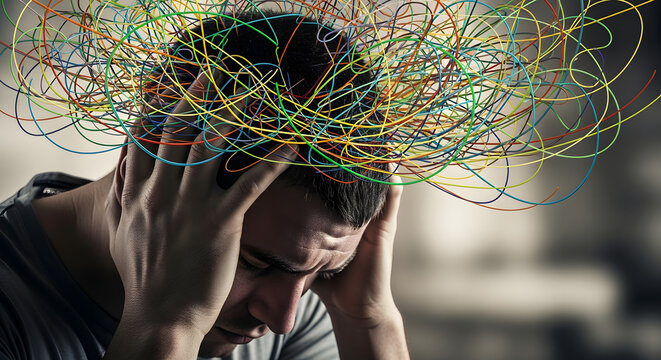
The mind can be occupied with thoughts that travel at a fast pace and cannot be controlled. Such reflections are usually centred on concerns, fears or the depressing consequences. Distracting thoughts may render focus, task accomplishment, or psychological relaxation during the day difficult.

5. Difficulty Concentrating
Fear may lower the concentration capacity in work or communication. The mind can be distracted or it can be lost in concerns. This may impact on productivity and confidence particularly at work or in school where simple activities become more difficult than normal.
6. Sleep Disturbances
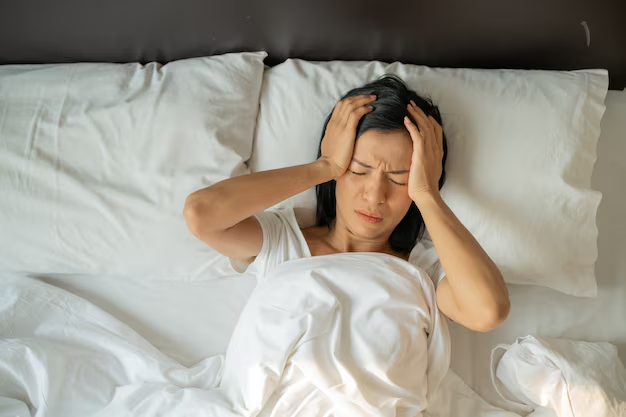
Anxious people experience problems falling and maintaining sleep. The thinking can also be more active at night causing restlessness. Poor sleep will also enhance anxiety, which is a vicious cycle that impacts on mental and physical health.

7. Sweating and Trembling
Sometimes one may excessively want to sweat or shake during anxious situations. These are physical responses to stress of the body. They are not harmful; however, they might not be comfortable and can lead to embarrassment particularly during a social or a public event.

8. Stomach Discomfort
Digestion is usually impacted by anxiety, and it results in such symptoms as nausea, stomach ache, or restlessness. The stomach is responsive to stress due to the relationship between the mind and the body. These symptoms may be acute and may even get worse when there is stress or uncertainty.

9. Emotional Irritability
The condition of anxiety can cause people to feel irritated or overpowering. Small problems can be perceived as larger than they are which can result to frustration. Such an emotional reaction might open up relationships and communication and one should be able to identify and control such feelings.
10. Feeling of Losing Control
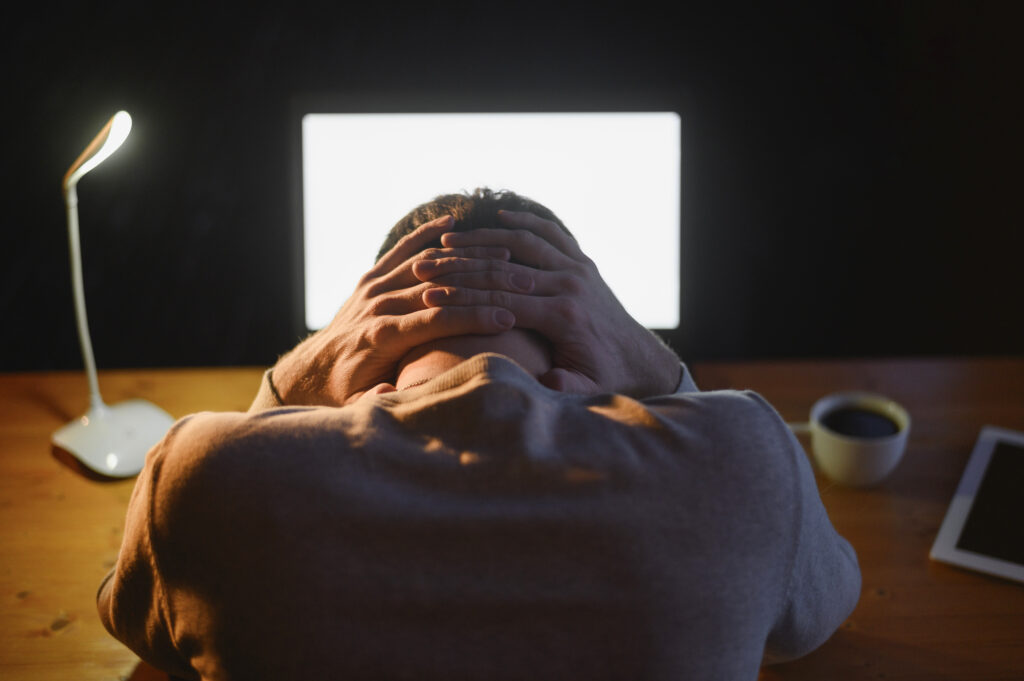
Anxiety may be accompanied by a powerful feeling of the loss of control over thoughts or emotions. This emotion can cause fear and confusions and make situations appear more dramatic. Education on coping mechanisms and support may assist the individuals to restore a feeling of stability and confidence.
Practical Ways to Manage Anxiety
The process of overcoming anxiety incorporates little but regular actions that can make one relaxed. Such methods may be trained every day to develop emotional strength.
- Slow and deep breathing exercises.
- Have a consistent sleeping cycle.
- Perform some exercises such as walking or yoga.
- Limit the amount of overthinking by being in the moment.
- Relax in supportive and peaceful conditions.
- Less caffeine and screen time.
- Discuss with close friends or family members.
- Adhere to mindfulness or meditation practices.
- Record a journal to be able to share thoughts and emotions.
- Division of tasks into small manageable steps.
Such practices can assist in alleviating anxiety and giving a person a feeling of control over his thoughts and emotions.
Developing Emotional Intelligence
Emotional intelligence is important in the process of managing anxiety. By understanding what they feel, people are able to react better rather than acting on the spur of the moment.
Emotional awareness refers to how much you are aware of what you feel, why you feel or not, and not being judgmental about whatever you feel. This process assists in decreasing confusion and enables the individuals to make considerate decisions.
With the help of the emotional awareness, individuals are able to detect the behavioural and thought patterns. This enlightenment leads to a basis of self development and self-harmony.
Balance of Healthy Lifestyle and Anxiety
Exercise helps manage anxiety, and this is provided by a healthy lifestyle. Even a few things every day can have a beneficial effect in the long run. Healthy eating is beneficial to health, the practice of hydration, and a regular routine contribute to the maintenance of physical and mental health. Exercising helps one not only to become physically stronger but to decrease the stress level and improve the mood.
Relaxation of the mind can also be achieved by taking breaks, doing hobbies and spending time in the nature. Such activities offer some feeling of calmness and enable people to relax after the hectic stresses of daily life. In a healthy lifestyle, it is not about perfection, but it is about consistency and being conscious in daily decisions.
Personal Development by Learning about Anxiety
When the right mindset is taken about anxiety, it can be used as a growth opportunity. It makes people think about what they think, how they act and what they feel. Patiently and self-compassedly relating to anxiety can help people become resilient and strong on the inside. Anxiety management enables one to become more confident, make better decisions, and consider their general emotional stability.
Personal development does not entail the removal of anxiety but the knowledge on how to react to it in a positive and productive manner.
Emotional Support and Counseling of anxiety
Anxiety counseling is concerned with assisting people to comprehend their thoughts, feelings and actions in an open and non-critical environment. It is a participatory work and people are free to speak up and strive towards a positive change.
The techniques involved in counseling sessions are usually aimed at ensuring that individuals overcome their stress, enhance emotional awareness, and healthier patterns of thinking. This is aimed at instilling in a person the feeling of clarity and control to enable him to live without fear.
Counseling helps patients acquire effectively applicable skills to cope with anxiety stimuli, become better communicators, and develop resistance. It is also useful in determining the underlying issues that could potentially lead to anxiety to gain a better insight into one emotional terrain.
How Aptimind Counselling & Therapy Supports You
Aptimind Counselling Therapy, Chennai provides a comfortable place to those, who want to be assisted with their anxiety and emotional health. It is accessible to all people, as it offers online counseling and face-to-face counseling.
The style emphasizes the individual experiences of the person and gives him or her personal advice. Regardless of whether the stress is mild or continual anxiety, the counseling procedure is made to stimulate recovery, internal comprehension, and strength of heart.
The decision of the correct support system can play a significant role in one’s experience. Through professional treatment and an empathetic attitude, one will be able to embark on a good journey towards clarity of mind and healthy living.