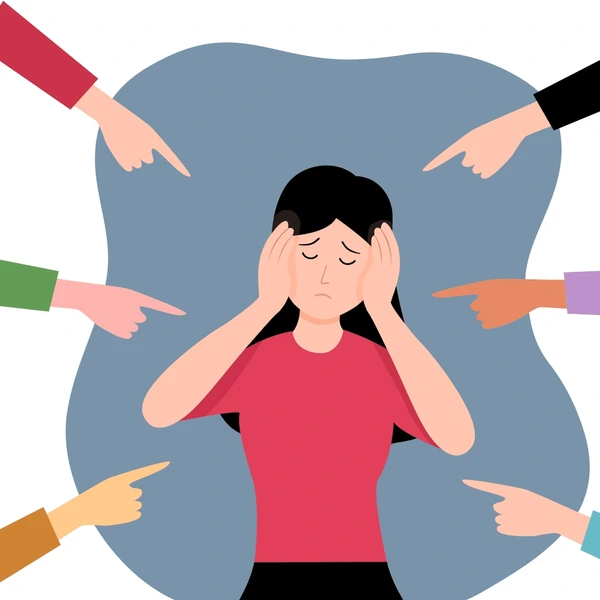

Stress Counseling

What is Stress?

When an individual is pressured, demanded or challenged, it is a normal reaction of the body and the mind towards stress. It happens when we reach a stage where we feel that the situation we are in is beyond our ability to handle.

Stress is not always bad. Stress in small portions may encourage us to prepare, concentrate, and do better. However, stress may have an impact on our mental, physical, emotional, relationship, as well as general quality of life when it is extreme, chronic, or uncontrolled.

Debatably, stress is simply the sense of being overpowering, mentally, emotionally, or physically.

When stress happens:

Anyone can be a victim of stress - students, employees, homemakers, parents, elderly people, and even children. Stress is not a weakness. It is an instinctive reaction against life crises.

Book your counseling appointment today for supportive, understanding emotional care anytime

The Spectrum of Stress

Not all stress is "bad."

There are two types of stress that are often differentiated by psychologists:

Eustress (Positive Stress)

It is the good form of stress which makes us alive and this is the feeling that one gets when sitting on a roller coaster, when deciding to work in a new place or when you are in a sports competition. It provides focus and energy.

Distress (Negative Stress)

This is observed when the stressor cannot be handled or useful. It causes stress, affects physical health and results in mental burnout.
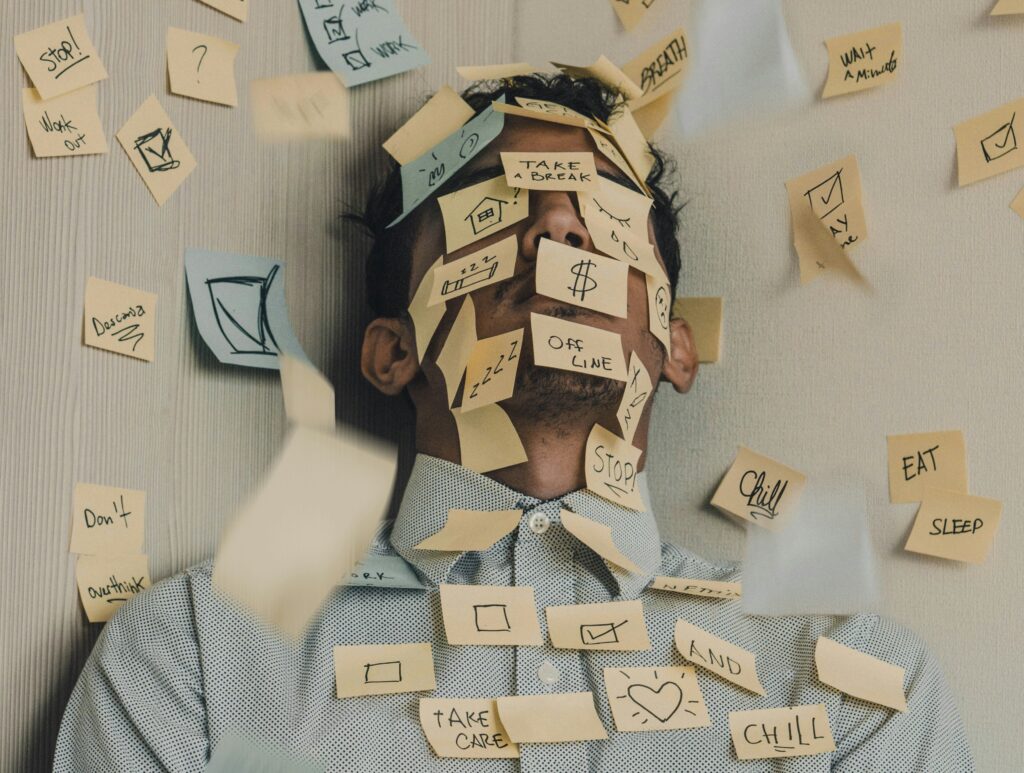
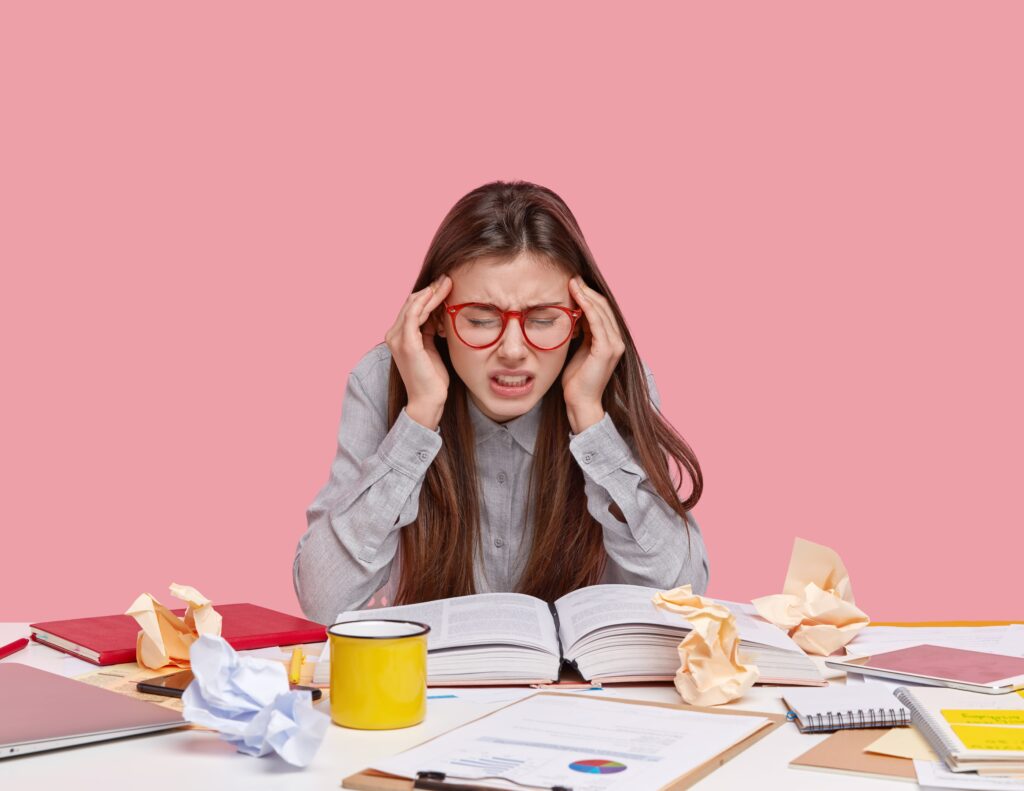
The Modern Stressors

In our contemporary society, we hardly encounter physical predators but we respond to psychological predators in the same manner as our body does. Our stress is acquired in a number of ways:

1. Transitions in life and Environmental factors

Even favourable developments are stressful. It is a big mental adjustment to get married, shift to a new house or even a new career line. High-impact stressors such as the death of a loved one or a divorce, however, do not overlook everyday environmental stresses that have increased tension, such as traffic congestion, noise pollution, or untidy work environment.

2. The Digital Overload

We are bombarded with information at all times in this present day and age of instant connectivity. The pressure to remain plugged in 24/7 plus the habit of comparing our lives to the edited social media feeds, brings a very special kind of contemporary psychological stress to bear.

3. Professional and Economic Stress

Chronic stress is caused by the demands of the work place. Burnout is a condition of physical and emotional prostration that may be caused by work-related stressors such as long hours, job insecurity, and responsibilities of a high profile job. This is usually accompanied by financial fears that produce a feeling of constant insecurity.

How Do We Get Stress?

Stress often follows when we have an unmet expectation and reality or when we are perceived to be out of control.

There are widespread causes of stress among people and they include:

Daily Life Pressure

Stress can be accumulated over time due to

Academic Pressure

Students can be stressed because of:

Work-Related Stress

Work stress can happen due to:

Matrimonial and Relational Problems

Emotional stress can be caused by conflicts at home, misunderstanding, responsibilities, and emotional support.

Financial Stress

Fears related to money, including debts, costs, savings or loss of job are typical stressors.

Health-Related Stress

Stress levels can be increased by chronic illness, medical conditions or concerns regarding health.

Major Life Changes

Life events such as marriage, moving, changing of career, the death of a loved one or separation may be situations that lead to emotional stress.

Social Pressure

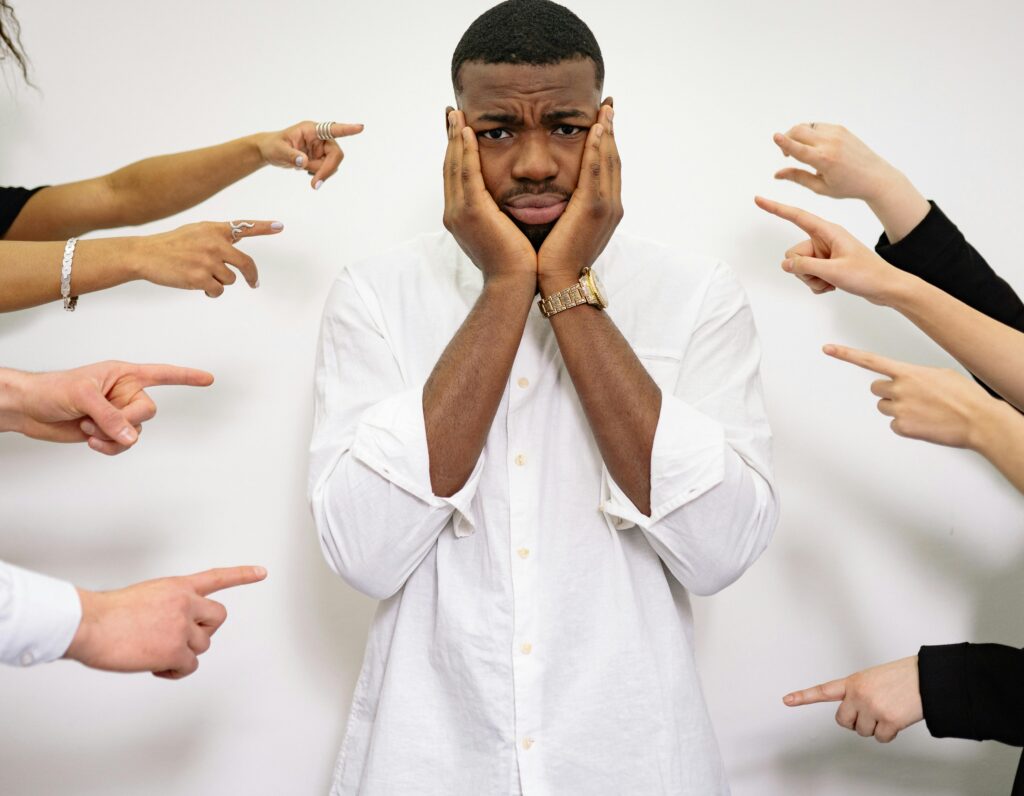
Mental stress can be caused by pressure to conform to the expectations of society, comparison with other people, and fear of judgment.

How Do We Get Stress?

Chronic stress is caused by the demands of the work place. Burnout is a condition of physical and emotional prostration that may be caused by work-related stressors such as long hours, job insecurity, and responsibilities of a high profile job. This is usually accompanied by financial fears that produce a feeling of constant insecurity.

Physical Consequences

Emotional and Psychological Cost

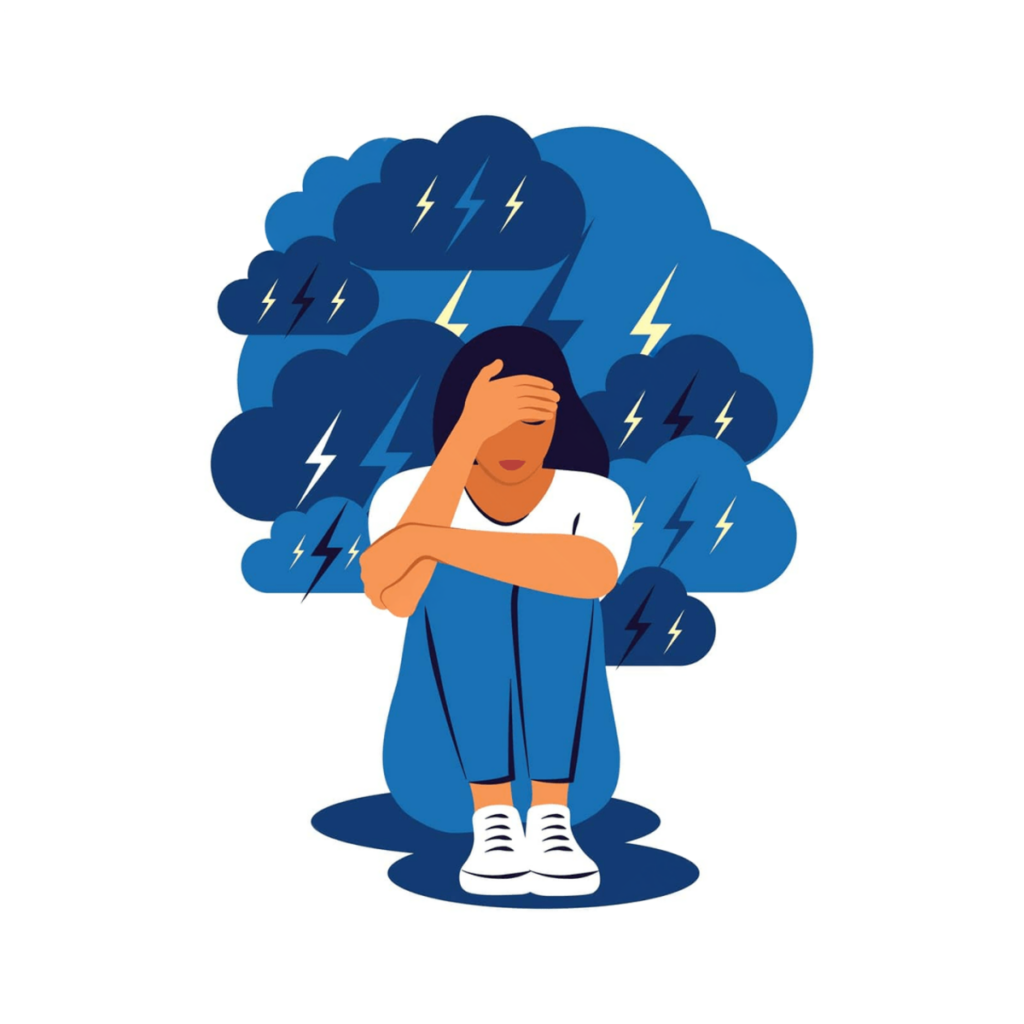
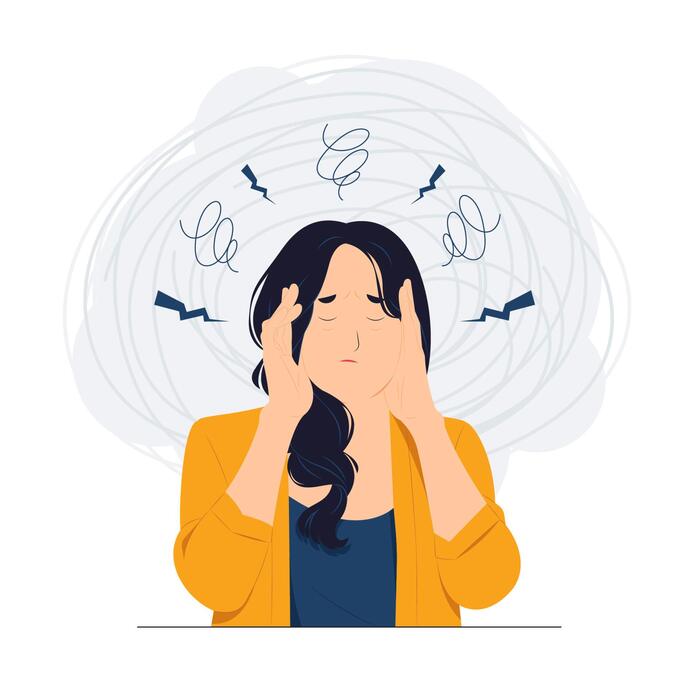
Stress might result in the brain being cloudy mentally; this translates to forgetfulness, lack of concentration, and indecisiveness. It can be experienced emotionally, in most cases as:

Common Signs and Symptoms of Stress

Stress may have different impacts on individuals. Some common signs include:

Emotional Symptoms

Mental
Symptoms

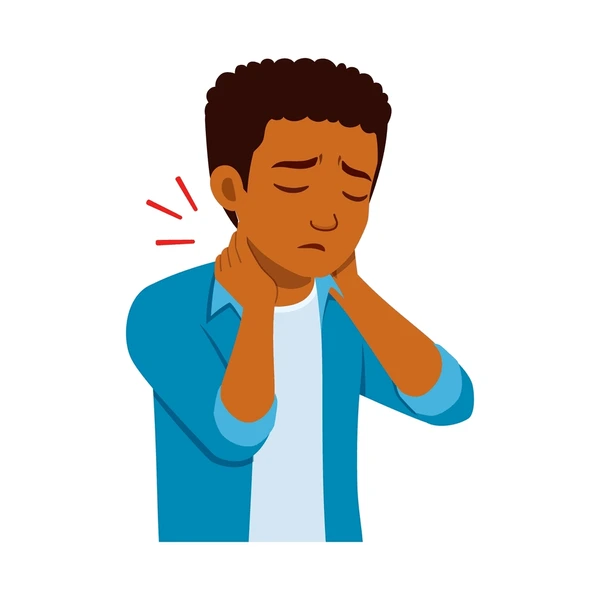
Physical Symptoms

Behavioural Symptoms